Authentic Character: The Power of Wood Grain Texture Backgrounds
There is a distinct warmth that digital designs often lack, a certain organic imperfection that makes a piece feel grounded and real. This is the specific quality that Wood Grain Texture Backgrounds Patterns bring to the table. In an era dominated by flat colors and vector perfection, introducing a tactile element like a timber surface can bridge the gap between the screen and the physical world. This collection is not just about adding a brown background; it is about infusing projects with the personality of natural Oak, the history of distressed lumber, and the elegance of vintage woodwork.
Visual Characteristics and Style
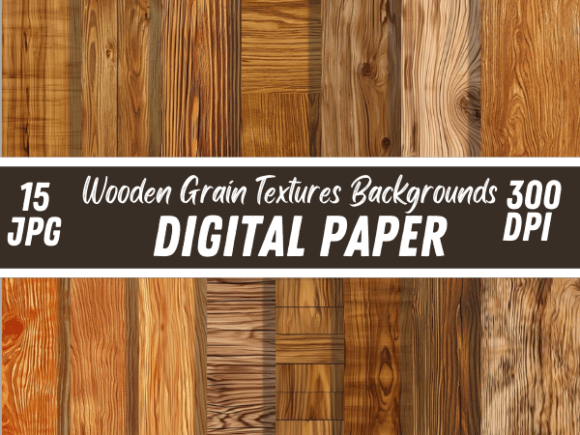
When you look at a high-quality wood grain texture, you are looking at a story. These specific patterns capture the intricate details of natural material, ranging from the tight, consistent lines of polished hardwood to the rugged, weathered surfaces of rustic antique boards. The visual style here leans heavily into "Vintage" and "Retro" aesthetics, but with enough versatility to fit modern design trends like Scandinavian minimalism or Industrial chic.
The textures feature a seamless grain flow, which is crucial for larger applications like wallpaper design or full-page backgrounds. The color palette centers on authentic browns, tans, and ambers, but the "distressed" and "embossed" overlays add depth. You aren't just seeing a color; you are seeing the shadows and highlights of the wood fibers. This creates a grainy natural pattern that feels tactile even on a digital screen. For designers, this means you get the benefit of a physical texture without the hassle of scanning real wood or dealing with inconsistent lighting in photography.
Strategic Applications for Modern Creators
Understanding where to deploy these assets is just as important as the assets themselves. Because the files are delivered at a massive 4096 x 4096 pixels at 300 DPI, they are high-resolution powerhouses suitable for both digital screens and high-quality physical printing. This opens up a wide array of practical applications for entrepreneurs and hobbyists alike.
Physical Products and Packaging
For small business owners, packaging is the first handshake with the customer. Using a wood grain texture for product packaging design immediately communicates durability and craftsmanship. It works exceptionally well for:
- Mug Wraps and Tumblers: The seamless nature of these patterns makes them perfect for acrylic tumbler wrapping and 11oz mug sublimation. The texture wraps around the object without visible break lines.
- Gift Wrapping and Bags: Instead of generic wrapping paper, printing these patterns onto kraft paper or fabric bags creates a premium, rustic feel. It is particularly effective for brands in the organic, coffee, or artisanal food sectors.
- Textile and Apparel: Fabric bag printing and sweater prints benefit from the "weathered" look. It provides a vintage vibe that is currently trending in streetwear and eco-friendly fashion.
Stationery and Paper Crafts
The scrapbooking and planning community requires digital papers that are versatile. These textures serve as the perfect backdrop for greeting cards, vintage invitations, and junk journaling. The "Antique" style of the wood grain allows text and photos to pop when framed correctly. For example, a wedding invitation using a light, bleached wood texture can evoke a barn or outdoor wedding theme instantly. Furthermore, for those using cut machines like Cricut or Silhouette, these patterns can be printed and cut into intricate shapes for vinyl decals and stickers, offering a wood-inlay look without the cost of real veneer.
Digital and Brand Identity
In the realm of web design and social media graphics, texture adds dimension. A flat website can feel sterile, but a subtle wood grain background can warm up a landing page, making it feel more inviting. For brand identity, consistency is key. If a brand’s values include sustainability, tradition, or ruggedness, incorporating wood textures into the logo design presentation or editorial design layouts reinforces that message.
However, one must consider visual hierarchy. Wood grain is busy. If you place complex typography over a detailed wood texture, readability drops. The solution is to use the texture as a background layer and place a semi-transparent overlay or a solid text box on top. This allows the texture to frame the content rather than compete with it.
Technical Considerations and Workflow
Working with high-resolution textures requires a bit of workflow management. Since these are JPG files, they are universally compatible with almost every design software, from Adobe Photoshop and Illustrator to Canva and Procreate.
- Color Consistency: The listing notes that actual colors may vary due to monitor settings. This is a standard reality of digital design. To ensure your wood grain matches your brand's specific hex codes, you may need to apply a color overlay or adjustment layer (Hue/Saturation) to tint the wood to match your palette perfectly.
- Print vs. Screen: At 300 DPI, these files are print-ready. However, if you are using them for web design, you should compress the files to ensure fast load times. A 4096px image is often overkill for a website header; resizing it to 1920px or 1440px wide will maintain quality while improving site performance.
- Layering Techniques: To get the most out of the distressed and embossed look, try using blending modes in Photoshop. Setting the texture layer to "Multiply" or "Soft Light" can blend the grain into your existing design elements, creating a cohesive, integrated look rather than a sticker-on-wood effect.
Elevating Your Creative Projects
Ultimately, the goal of using Wood Grain Texture Backgrounds Patterns is to evoke a specific emotional response. It triggers a sense of nostalgia, stability, and connection to nature. Whether you are designing a handcrafted planner, creating rustic wall art, or wrapping a gift for a loved one, these textures provide a sophisticated foundation. They move your projects away from the "digital-only" aesthetic and into a space that feels handcrafted and intentional. By leveraging these high-quality timber surfaces, you aren't just decorating; you are adding a layer of narrative and quality to your work.